
Still Stiff After Stretching? Here's What Your Body's Trying to Tell You
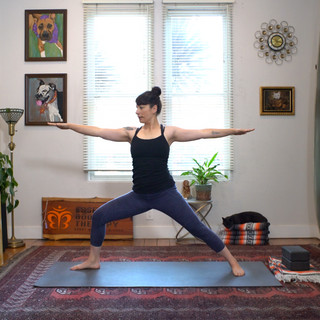

You’ve stretched. You’ve foam rolled. You’ve even thrown in a yoga class or two. So why does your body still feel stiff, tight, or like it’s just not moving the way you know it should?
Here’s the hard truth no one tells you: tightness isn’t always about tight muscles. In fact, sometimes your body is throwing up tension as a protective mechanism — and stretching it isn’t the solution.
Let’s get into what’s really going on.
1. Your Nervous System Might Be Holding the Brakes
Stretching feels productive — and it can be — but if your nervous system is on high alert, it’s not going to “let go” just because you tried to lengthen your hamstrings.
Tension can come from stress, poor sleep, overtraining, or even emotional patterns. Your body might be gripping not because it’s short and tight, but because it’s trying to protect you.
✅ What helps: Magnesium Glycinate + L-Theanine
This combo can help quiet the nervous system (without knocking you out). I didn’t realize how much my 4 a.m. wakeups and constant shoulder tension were linked to stress until I got consistent with it.
2. You're Dehydrated — and So is Your Fascia
Your fascia (that connective tissue webbing under your skin) needs hydration and movement to stay elastic and responsive. When it’s dried out or stuck, you can feel stiff no matter how much you stretch.
✅ What helps: Moist heat + deep pressure
Dry heating pads won’t cut it. I use a moist heat pad almost daily — it penetrates deeper and helps bring blood flow to the area so I can actually release tension.
And for those super dense spots? A tool like the Pro-Tec Orb ball can get into places a roller never could. Think glutes, traps, in between your shoulder blades — those “ugh I can’t reach it” zones.
3. You’re Skipping the Power of Real Bodywork
Stretching is great — but sometimes your tissue needs more than a passive pull. Deep tension often lives in layers you can’t reach on your own. That’s where intentional, skilled bodywork comes in.
Massage isn’t just a luxury. It’s one of the best ways to restore healthy movement, hydrate fascia, and re-educate your nervous system to let go.
✅ What helps: Myofascial Release or targeted sports massage
This is the kind of work I do in sessions — focused, strategic bodywork that doesn’t just chase pain, but helps your body move better from the inside out. If you’ve never had fascia-focused massage before, this is your sign to try it.
And hey — if you can’t get on the table regularly, even occasional sessions can make a huge difference when paired with movement and at-home care. Just make it easy for ya...here is my scheduler! CLICK ME
Final Thoughts: It's Not Just About Stretching, Boo
If stretching isn’t cutting it, don’t assume your body is broken — it’s probably just trying to tell you something deeper.
It might be:
Nervous system overload
Fascia that’s dry and cranky
A lack of quality bodywork (not just foam-rolling flailing)
The good news? You’ve got options — real ones that actually help when you listen instead of just force another hamstring stretch and hope for the best.
Whether it’s heat, hydration, magnesium, or booking that overdue massage (hi, yes, come see me), your body deserves more than quick fixes. Give it what it’s really asking for — support, not strain.
✨ Want more recovery talk, tools, and how-to’s?
Check out my wellness product stash, or
Click that yellow button below!
Your recovery gets better when you do. Let’s make it happen. But, let's definitely get you on my table!


Comments